
Key Summary
The solar panels and equipment describe a group of materials that are needed to obtain solar energy, transform it into electrical energy, store it if appropriate, and then transmit it to home appliances. The solar panels are considered the major component, but the system also comprises an inverter, solar panel mount, cables, and other solar panel equipment.
All of these body parts make up a well-integrated system, which is geared towards meeting our energy demands.
What Are Solar Panels and Equipment?
Solar panel: it is the most significant part of the solar power system, which converts sunlight into electrical energy. It is composed of units known as photovoltaic cells, which absorb energy from the sun and transform sunlight into direct electric current by utilizing the photovoltaic principle. It is usually fixed on the rooftop; therefore, its main role is to provide alternative electric energy, reduce electric bills, and promote environmental sustainability.
All the equipment required to support all these devices that work together to provide usable electricity to a home or building comes under solar equipment. This includes inverters needed to change direct current to alternating current, mounting equipment required to hold the solar panel in place, wires or connectors that help transfer the energy generated by the panel, net meters required to track usage and exportation of the solar energy produced, and the batteries needed to store the solar energy for later use.
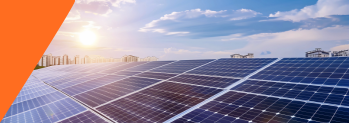

Solar Panels Used in Home Solar Systems
The main solar panel types currently being used in home solar power systems include monocrystalline, polycrystalline, and thin-film solar panels. All these types vary from each other mainly in efficiency, cost, look, and space needed.
How Solar Panels Generate Electricity?
Solar panels produce electrical power through the photovoltaic effect, whereby photons from the sun trigger electrons to produce an electric current. This produces direct current electricity. The direct current electricity travels through cables and reaches a solar panel inverter, and changes its direction to be usable by home appliances. This process is a continuous activity, and through it, solar panels harness the power of the sun to produce usable clean energy.
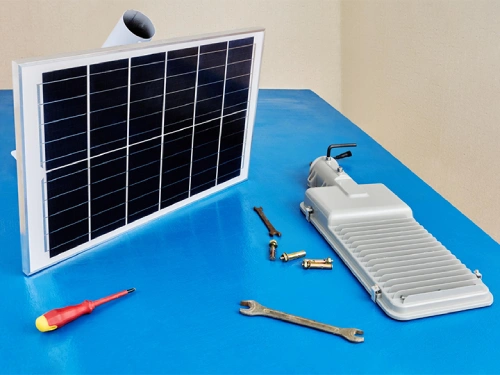
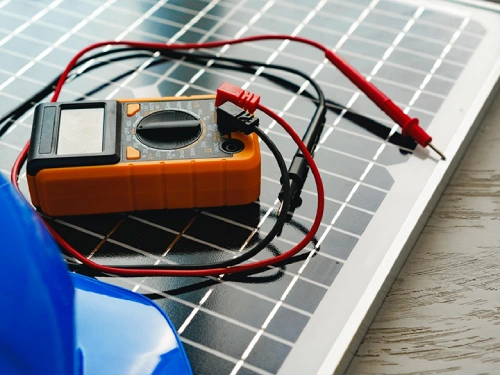
Solar Panel Parts and Components Used in Home Installations
A solar panel part and accessory is one of the pivotal elements that ensure a solar power system works effectively, safely, and dependably. Whereas solar panels convert sunlight into electricity, these support components undertake the work of converting, controlling, storing, and delivering power to your home in the correct manner.
All these parts of solar panels and related accessories cumulatively provide a complete and reliable solar energy system for homes.
How Solar Panels and Equipment Work Together
The solar panel and its parts operate through a concerted operation aimed at harnessing sunlight and converting it into usable forms of electricity for domestic and building uses. Each component is geared for a specific use from the outset.
Choosing the Right Solar Equipment for Your Home
When deciding proper solar gear for your home, it guarantees efficiency or production of energy, reliability, and an enhanced return on investment. In picking the right gear for solar generation in homes, a number of considerations need to be made. This includes considering the energy needs of the home, compatibility of the gear, and quality rather than low-cost gear. Other considerations include inverters, capacity, batteries, efficiency, and support.
By analyzing these factors carefully, homeowners can invest in solar equipment that will provide them with clean and consistent energy for a long period of time, with significant benefits.
Maintenance of Solar Panels and Equipment
The photovoltaic panels and other equipment require little maintenance in order to function effectively, especially when the panels are mounted at a tilt that allows rainwater to naturally wash off dust and other materials that might build up. Regular upkeep helps maintain energy output and extends the lifespan of the system.
It is generally recommended to clean your solar panels two to four times a year, with exact frequencies depending upon local dust levels and weather conditions. Cleaning should be non-aggressive and, when possible, done from the ground to avoid the risks associated with climbing onto the roof. Use a soft-bristled brush and a non-abrasive cleaning solution to avoid scratching the surface of the panel. It is best to clean early in the morning to avoid the heat that builds up on the panels during the day. Using cold water on hot panels may cause damage.
Apart from routine cleaning and maintenance, which are not usually covered under solar panel warranty, any manufacturing defects or physical damage to the panels themselves come under the warranty. Besides cleaning, periodic inspection of cables, mounting structures, and inverters ensures that all solar equipment keeps operating not only efficiently but also safely.
Overall, these provisions form the core of the solar panel subsidy structure, ensuring that different user groups receive benefits suited to their needs. This helps make solar adoption more accessible and financially viable across sectors.
Solar Panels and Equipment Cost for Home
Choosing the right solar system size helps homeowners balance budget, energy needs, and long-term savings. The overall cost of solar panels and equipment for homes in India mainly depends on system capacity and component quality. Below is a general price range for residential solar systems in India before subsidy.
| System Size | Estimated Cost (Before Subsidy) | Ideal For |
|---|---|---|
| 1 kW | ₹40,000 – ₹50,000 | Small homes with basic usage such as fans and LED lights |
| 3 kW | ₹1.2 lakh – ₹1.5 lakh | 2–3 BHK homes using appliances like TV, refrigerator, and washing machine |
| 4 kW | ₹1.6 lakh – ₹2 lakh | Medium sized families using multiple appliances daily |
| 5 kW | ₹2 lakh – ₹3.5 lakh | Larger homes or villas with high electricity consumption including ACs, geysers, and pumps |
Choosing the right solar system size helps homeowners balance budget, energy needs, and long-term savings. The overall cost of solar panels and equipment for homes in India mainly depends on system capacity and component quality. Below is a general price range for residential solar systems in India before subsidy.
Why Choose Alpex Solar for Home Solar Panels
Alpex Solar is a trusted option for many residents interested in investing in quality solar energy products. The company offers quality solar panels and solar products that provide better performance and longevity. Alpex Solar is dedicated to delivering complete home solar systems. Right from product selection to system integration, they deliver complete solar solutions. Homeowners can be assured of receiving quality services, support, and after-sales service while working with reliable professionals.

FREE SOLAR EXPERT CONSULTATION
Conclusion
Solar panels and other equipment together create a reliable, clean, and long-term energy solution for modern homes. Moreover, identification of the types of solar panels, key system components, working process, selection factors, and maintenance needs will allow householders to make informed decisions for higher efficiency, lower electricity bills, and greater energy independence. Investing in quality solar equipment supports the core of sustainable living, along with providing consistent returns over decades. Companies like Alpex Solar are indeed trusted partners in helping homeowners confidently take the first step into solar, backed by its quality range of products, comprehensive home solar solutions, and dependable service support.