

Key Summary
- Electricity prices in India are rising, making solar energy a cost-effective and sustainable alternative for households.
- Rooftop solar panels convert sunlight into usable electricity through PV cells and an inverter, and can optionally include battery storage for backup.
- Solar panels significantly reduce monthly electricity bills, offer a short payback period of 4–7 years, and provide long-term savings for 20–25 years.
- Government subsidies (up to 40% for 3kW and 20% for 3–10kW systems) and state incentives make solar installations more affordable.
- After subsidies, a typical 5kW home system often costs only ₹1.25–2 lakhs, depending on the location.
- Solar + Battery systems offer superior backup, lower running costs, and higher long-term savings compared to Grid + UPS/Generator setups.
- Homes with solar installations sell for 5–10% higher value due to lower operating costs, better energy reliability, and long-term sustainability.
- With support from trusted industry leaders like Alpex Solar, homeowners can have high-quality products, reliable installation, and a smooth transition to clean energy.
Electric utility rates in India are on the rise because of increased energy demand among Indian consumers for an affordable option for home energy needs. Solar power for homes is increasing in popularity and is the right choice because solar is clean energy, renewable, and decreases reliance on electricity from the utility.
In this guide, we will cover many of the top benefits of solar panels in homes, the actual savings generated from the use of solar panels on your home, a basic overview of the costs associated with solar, government incentives for purchasing solar equipment, and what steps you can take to begin your own solar journey with confidence.
What are Rooftop Solar Panels
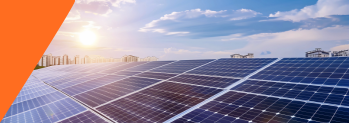
Rooftop solar panels, also referred to as Photovoltaic (PV) panels, are installed on the roofs of homes to generate clean energy through the conversion of sunlight into electrical energy. Each panel consists of multiple layers of silicon-based PV cells that trap solar rays and convert them to direct current (DC) electricity. The electricity produced by the PV cells is then directed through a solar inverter that converts the DC electricity into AC Electricity, which can be used to run most standard appliances in your home.
At a minimum, any installation of rooftop solar includes the following components: solar panels, an inverter, a racking system, wiring, and safety accessories. Many homeowners also add batteries to save excess energy generated for use during times when the utility company has reduced or eliminated service, or at night. Rooftop Solar describes any roof-mounted Solar Panel installation used to produce renewable and/or clean energy for residential use.

Key Advantages of Solar Panels in Homes
Solar panels offer one of the most effective ways for Indian households to reduce electricity bills. By generating their own power, homeowners rely less on the grid and save a significant amount every month. With India’s strong sunlight throughout the year, solar systems can meet a large share of household energy needs, making them highly efficient and cost-effective.
Cost, Subsidy, and Payback: What Homeowners in India Should Know
Solar systems tend to be the least expensive when being installed on roofs that do not have too much obstruction caused by shading and have been oriented properly. If the roof needs to be mounted differently, or if it has to be raised because of an obstruction such as water tanks or parapets, then the costs for installing the solar system will increase. The cost of installing solar systems also varies from city to city and state to state because of differences in labour rates, shipping and transportation to the local area, and other market conditions. Global solar panel prices will also fluctuate along with local supply/demand for solar systems, which will also determine the final price quoted from the installer.
Considering these factors, the current cost range for rooftop solar systems in India is approximately:
For a typical 5 kW home system, the total investment usually ranges from Rs. 2.5 to 3.5 lakhs before subsidies.
Subsidies, Net-Metering, and Government Incentives
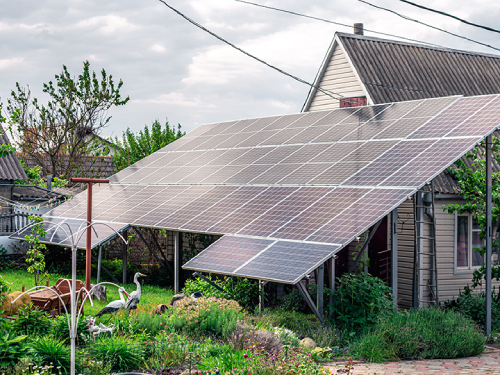
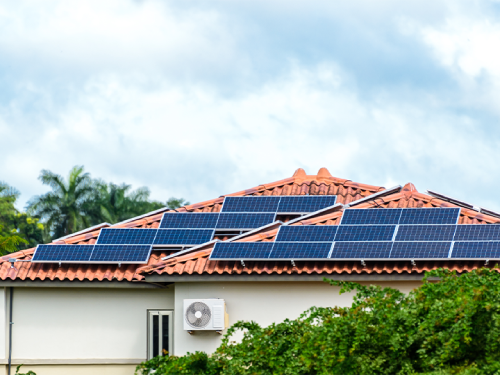
Government incentives have contributed significantly to making rooftop solar technology a viable option for homeowners. Governments at both the national and state levels provide substantial amounts of financial help to homeowners who want to install rooftop solar panels. The Central Financial Assistance Program offers up to 40% in subsidies on residential solar installations of less than 3kW, and 20% on installations from 3kW to 10kW. Many states have developed their own incentive programs, which may include capital and interest subsidies, along with other types of special support. In some cases, these incentives can amount to 20% of the installation’s cost; however, some states (e.g., Gujarat, Maharashtra, Delhi, and Uttarakhand) provide incentives that may be as much as 90% of the cost after considering the amount of financial assistance provided by the Central Financial Assistance program.
On top of this, individuals using net metering can save money through the ability to sell back excess electricity generated from their rooftop solar panels. When combining all the subsidies provided by both the national and state governments, the effective cost of a 5 kW residential rooftop solar system is typically only around Rs. 1.25 – 2 lakhs, depending on where a homeowner lives. As a result, this lowers the financial burden on homeowners and significantly increases their ability to receive a solid return on investment.
Break-Even Time and Long-Term Savings
The majority of homeowners who install solar PV systems will experience a quick return on their investment, with payback periods generally between four and seven years. After this period, the electric energy produced by your solar PV system becomes virtually free for the life of the solar panels, which on average will last 20-25 years. The extended timeline of accessible low-cost electric production provides a tremendous opportunity for positive returns on investment (ROI) and significant long-term energy savings from rooftop solar systems.
Roof and Household Suitability: What to Check Before You Install
Switching to solar energy is a smart way to save money and support a cleaner environment, but checking a few key factors before installation is essential.
Solar + Battery vs Grid + UPS/Generator: Which Works Better for Indian Homes
| Factors | Solar + Battery System | Grid + UPS / Generator System |
|---|---|---|
| Primary Source of Power | Sunlight to Solar panels to Battery storage. | Electricity grid to UPS battery OR diesel/petrol generator |
| Electricity Cost | Very low after installation | UPS: Regular grid tariff; Generator: Very high fuel cost |
| Backup During Power Cuts | Minimal (only cleaning & small maintenance) | UPS: Battery replacement every 3–5 years; Generator: Fuel + servicing |
| Environmental Impact | Clean and renewable energy | UPS: Neutral; Generator: High pollution (emissions + noise) |
| Ideal For | Homes with high power cuts, high electricity bills, sustainability focus | Homes with moderate bills and short-duration outages |
| Long-Term Savings | High savings for 20–25 years | Low (UPS) or negative (generators due to fuel cost) |
| Payback Period | 4–7 years depending on subsidy + usage | No financial return; continuous recurring cost |
| Scalability | Easy to expand (add more panels or batteries) | Limited – UPS/generator size must be replaced to upgrade |
Solar Panels for Houses: Impact on Property Value and Home Appeal
Studies consistently show that homes equipped with solar panels tend to sell for higher prices than similar homes without solar. A 2025 SolarReviews analysis reported that solar homes sold for an average of 6.9% more, adding nearly ₹20–₹24 lakh in value depending on the market. Earlier research from EnergySage (2020) found a 5% to 10% price premium, which translates to ₹12–₹32 lakh based on the property’s base price. These numbers highlight how homebuyers increasingly value long-term savings and sustainability.
Why Solar Energy Systems Increase Home Value
Several factors explain why homes with solar systems command a higher resale price:
How to Get Started: Steps to Install Solar Panels in Your Home

FREE SOLAR EXPERT CONSULTATION
Conclusion
Having rooftop solar is perhaps the most important decision for Indian homeowners in the long term because it will help lower your electricity bill, protect you from increasing utility rates, improve your home’s value, and lead a more sustainable lifestyle. With the help of government subsidies and net-metering, along with the support of reliable industry leaders such as Alpex Solar, the process of going solar has become easier, more affordable, and more reliable. Partnering with a trusted and experienced solar dealer that provides high-quality modules, professional installation, and strong after-sales support for your transition to clean energy will be seamless and stress-free. So you are able to take your first